
Collagen for Joints:
Rebuild, Restore & Move Freely
Explore our educational guide on how collagen supplements support joint flexibility, cartilage health, and active living. Evidence-based articles written for everyday people who want to understand their body better.
What Our Editorial Platform Covers
A broad collection of well-researched, editorial articles designed to help you understand natural joint support from every angle.
Collagen Science
In-depth breakdowns of how collagen types I, II, and III interact with joint tissue and connective structures.
Herbal Synergies
Guides on plant-based extracts — turmeric, boswellia, and more — that complement collagen for natural mobility support.
Active Lifestyle Tips
Practical editorial advice for athletes and active adults who want to maintain joint comfort through natural dietary support.
Ingredient Research
Transparent editorial reviews of supplement ingredients based on publicly available nutritional research and expert commentary.
How Collagen Actually Works Inside Your Joints
Collagen is the most abundant structural protein in the human body, forming approximately one-third of our total protein content. Within your joints, it acts as the scaffolding that holds cartilage, tendons, and ligaments together. As you age, the body's natural collagen production slows, which can affect the cushioning properties of cartilage and the flexibility of surrounding connective tissue.
Hydrolyzed collagen peptides — the form found in most dietary supplements — are broken down into smaller amino acid chains that are easier for the body to absorb. Once absorbed, these peptides travel through the bloodstream and may stimulate fibroblast cells in cartilage to support the body's own collagen synthesis process, promoting structural integrity over time.
- Supports the structural matrix of cartilage in load-bearing joints
- Provides key amino acids: glycine, proline, and hydroxyproline
- Works alongside Vitamin C for optimal collagen metabolism in the body
- Compatible with a natural, plant-rich diet for active adults

Hydrolyzed collagen peptides have been studied extensively for their role in supporting joint comfort and mobility in active individuals.
Collagen & Joint Health: Featured Guides
Our editorial team has curated these in-depth articles to help you navigate the world of natural joint support with confidence.
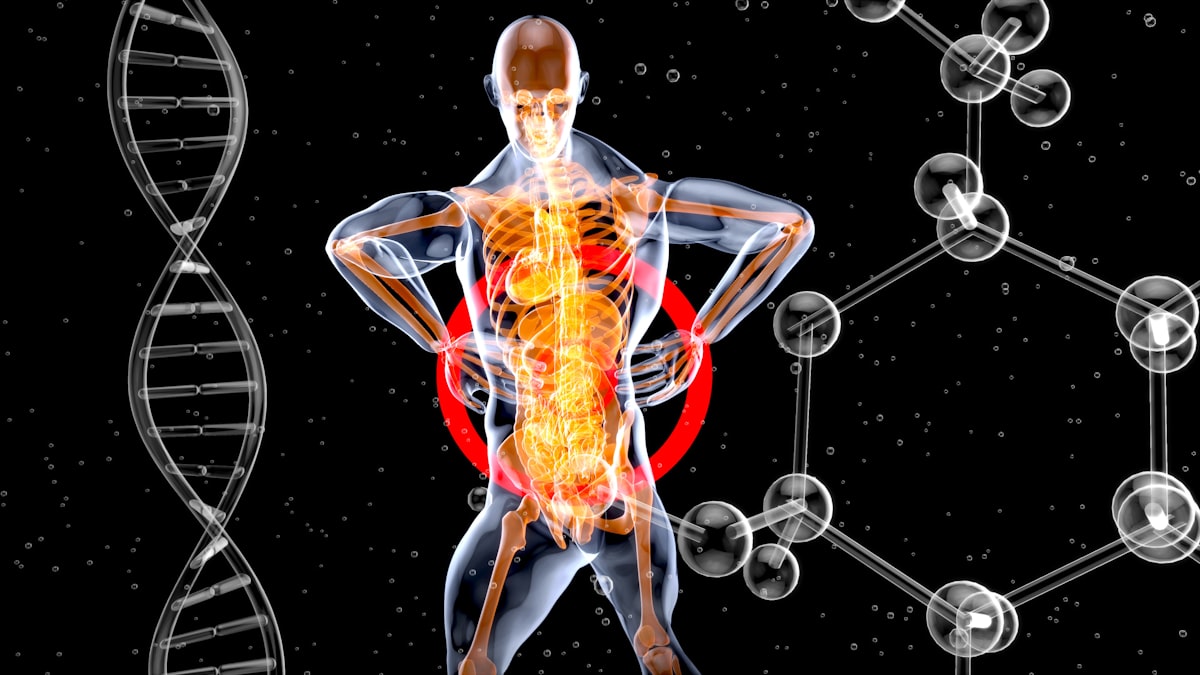 Cartilage Support
Type II Collagen Explained: What It Does for Your Cartilage
Type II collagen is the dominant protein found within articular cartilage — the smooth tissue that cushions the ends of bones in your knees, hips, and shoulders. This editorial explains the difference between collagen types, why Type II is specifically relevant for joint health, and what the latest nutritional science says about dietary supplementation.
 Herbal Extracts
Plant-Based Extracts That Complement Collagen Supplements
Certain herbal extracts have a long history of use in traditional wellness practices for supporting comfortable movement. Boswellia serrata, turmeric curcumin, and ginger root are among the most studied plant compounds for their role in supporting joint comfort alongside structural proteins like collagen. Discover how combining natural extracts and collagen supplements may create a more holistic approach to mobility.
 Vitamins & Minerals
Vitamins C, D & Magnesium: Partners in Joint Nutrition
Collagen doesn't work in isolation. Vitamin C is an essential co-factor for collagen biosynthesis, while Vitamin D supports bone density and Magnesium contributes to muscle and connective tissue function. This guide explores how a well-rounded approach to micronutrient intake can significantly enhance the benefits of collagen supplementation for your joints and overall skeletal system.
 Sports & Activity
Collagen Supplements for Active Adults and Recreational Athletes
For those who cycle, hike, swim, or engage in regular fitness routines, the joints — especially knees and ankles — are subject to ongoing mechanical stress. This editorial dives into how natural dietary supplements containing collagen peptides are being incorporated into the routines of active adults across Spain and why supporting connective tissue through nutrition is a growing area of interest in the sports wellness community.
 Beginner's Guide
First-Timer's Guide to Choosing a Collagen Joint Supplement
The supplement aisle can be overwhelming. Powder, capsules, liquid — hydrolyzed, marine, bovine — the choices seem endless. This beginner-friendly editorial explains the key terms you'll encounter, how to read ingredient labels, what to prioritize when comparing natural supplements, and which forms of collagen are most commonly associated with joint and mobility support according to available nutritional data.
 Joint Flexibility
Building a Daily Routine for Better Joint Flexibility
A consistent daily routine is widely considered one of the most important factors in supporting long-term joint comfort and flexibility. This editorial combines evidence-informed guidance on dietary supplement timing, hydration, gentle movement, and natural herbal support into a practical framework that anyone can adapt to their lifestyle — whether you're in your 30s or your 70s and living an active life in Spain.
How to Approach Collagen Supplements: A Step-by-Step Guide
Based on publicly available nutritional guidance and expert editorial review, here is a practical framework for incorporating collagen into your daily wellness routine.
Understand Your Goals and Joint Needs
Before beginning any supplement routine, it is valuable to reflect on your personal activity level, age, and the specific joints you want to support — whether that is your knees from running, your wrists from repetitive work, or your hips from long-distance walking. Different goals may point toward different collagen types and complementary nutrients, which is why reading educational content before starting is a meaningful first step.
Choose a Natural, High-Quality Collagen Form
Hydrolyzed collagen peptides are the most bioavailable form and dissolve easily in liquids, making them convenient for daily use. Marine collagen (from fish) is often highlighted for its smaller peptide size, while bovine collagen is commonly associated with Types I and III. Look for supplements with a clean, natural composition — minimal additives, transparent labeling, and ideally combined with Vitamin C to support the body's own collagen processes.