
How Collagen Supplements Support Your Joint Health
Collagen is the structural protein that keeps your cartilage resilient, your joints cushioned, and your body moving with ease. Understanding how natural collagen supplements work can help you make informed decisions about your long-term mobility and comfort.
What Happens to Your Joint Collagen Over Time?
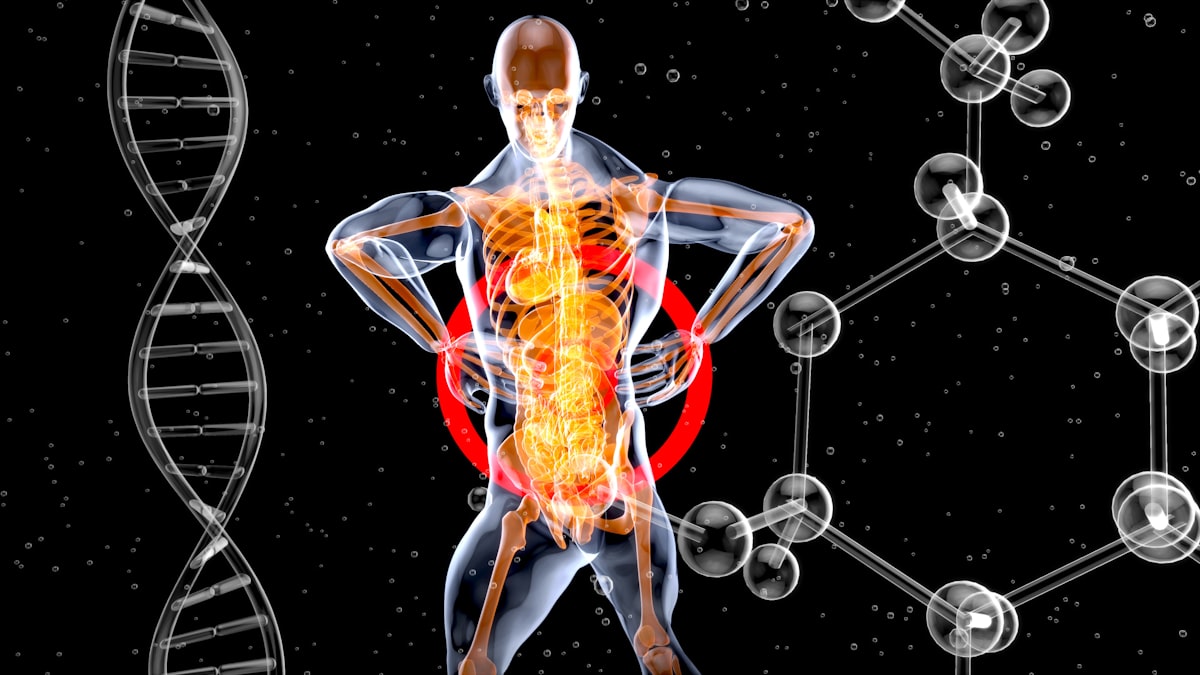
Collagen makes up the majority of your cartilage — the cushioning tissue that sits between your bones at every major joint. In early adulthood, the body produces collagen at a healthy rate, keeping cartilage supple and resilient. However, natural collagen synthesis begins to slow from the mid-twenties onward, and the decline accelerates with age, physical stress, and nutritional gaps.
As collagen levels drop, cartilage loses its ability to absorb impact effectively. Over time, this can contribute to a feeling of stiffness, reduced range of motion, and general discomfort during everyday activities like climbing stairs, walking, or exercising. This natural process affects active individuals and sedentary people alike.
Natural collagen supplements — particularly those derived from plant-based sources combined with vitamin C, silica, and herbal extracts — are designed to support the body's own collagen-building pathways, encouraging the maintenance of healthy cartilage and connective tissue.
Read More on Our BlogHow Collagen Supplements Work Inside Your Joints
From ingestion to cartilage support — here is a clear, step-by-step look at what happens when you take a collagen supplement as part of a balanced lifestyle.
Digestion & Absorption
When you consume a collagen supplement — whether in capsule, powder, or liquid form — the collagen proteins are broken down in the digestive system into smaller peptides and amino acids. These include glycine, proline, and hydroxyproline, which are the primary building blocks your body uses for collagen synthesis. High-quality supplements with natural herbal cofactors support efficient absorption in the gut.
Targeted Delivery to Joints
Once absorbed into the bloodstream, collagen-derived peptides travel throughout the body. Research suggests that certain hydrolysed collagen peptides have an affinity for cartilage tissue and synovial membranes — the structures lining your joints. They accumulate in these areas and send signals to the local cells called chondrocytes, which are responsible for producing and maintaining the cartilage matrix.
Collagen Matrix Support
With a steady supply of amino acid precursors reaching the joint tissue, chondrocytes are better equipped to produce new collagen fibres and maintain the extracellular matrix of cartilage. This network of fibres is what gives cartilage its tensile strength, water-retention capacity, and shock-absorbing properties. Consistent supplementation, combined with vitamin C and trace minerals, helps sustain this process over time.
What Collagen Supplementation May Offer
When used consistently as part of a healthy lifestyle, natural collagen supplements may contribute to several aspects of joint and musculoskeletal comfort.
Improved Flexibility & Range of Motion
One of the most commonly reported benefits of collagen supplementation is a gradual improvement in joint flexibility. As cartilage and connective tissue receive better nutritional support, everyday movements — bending, stretching, and reaching — may feel more comfortable and fluid. This is particularly relevant for individuals who pursue active lifestyles or physical exercise.
Learn MoreCartilage Structural Support
Collagen is the dominant protein in articular cartilage, forming a fibrous mesh that provides both strength and elasticity. Natural supplement formulas with hydrolysed collagen peptides are designed to provide the raw materials chondrocytes need to maintain this mesh. Over consistent use, this nutritional support may help preserve cartilage integrity in joints under regular mechanical load, such as the knees and hips.
Learn MoreSynovial Fluid & Joint Lubrication
Joints rely on synovial fluid for smooth, low-friction movement. Collagen supports the health of the synovial membrane — the tissue that produces this fluid. When the membrane is well-nourished, it can more effectively regulate fluid production, helping to maintain that characteristic smooth glide during movement. Certain herbal extracts included in natural joint supplements may further support membrane function.
Learn MoreSupport for Active & Athletic Lifestyles
Athletes and physically active individuals place significant repetitive stress on their joints, tendons, and ligaments — all of which are rich in collagen. Natural collagen-based dietary supplements have become a popular tool among sports communities across Spain and beyond, used as a complement to training regimes to support the musculoskeletal system. They are viewed as a nutritional foundation for those who demand more from their bodies.
See GuidesPlant-Based & Herbal Formulations
Modern supplement innovation has produced plant-based collagen boosters that contain herbal extracts — such as bamboo silica, rosehip, turmeric root, and nettle — alongside amino acid precursors like lysine and proline. These formulas work with the body's natural collagen synthesis pathways rather than replacing collagen directly, making them a preferred choice for those following plant-forward diets or seeking natural ingredient profiles.
Read ArticlesConnective Tissue Integrity
Beyond cartilage alone, collagen is essential for the health of tendons and ligaments — the connective tissues that hold joints together and attach muscles to bone. A diet enriched with collagen peptides and cofactor nutrients supports the structural integrity of these tissues, which is especially valuable during post-exercise recovery or as the body naturally ages. Healthy connective tissue helps maintain joint stability during movement.
Discover MoreUnderstanding Collagen Types for Joints
Not all collagen is the same. The human body contains at least 28 distinct types of collagen, each with a specific function. For joint health, Types I, II, and III are the most relevant. Type I collagen is the most abundant in the body and is found in tendons, ligaments, and bone. Type II is the predominant form in articular cartilage and is therefore the most targeted by joint-specific supplement formulas.
Type III collagen works alongside Type I in connective tissue and is important for tissue elasticity. Many high-quality natural joint supplements include a blend of these collagen types, paired with supportive nutrients such as vitamin C — which is essential for collagen synthesis — as well as manganese, zinc, and botanical extracts that have historically been used in herbal traditions for mobility support.
When reading supplement labels, look for terms such as "hydrolysed collagen," "collagen peptides," or "native collagen" — these indicate different processing methods that affect how the collagen is absorbed and utilised by the body. Our editorial team explores these differences in detail across our dedicated blog resources.
Natural vs. Synthetic Collagen Supplements
Understanding the differences between formulation approaches helps you make an informed choice when selecting a joint supplement.
| Feature | Natural / Herbal-Based Formulas | Synthetic / Isolated Collagen |
|---|---|---|
| Ingredient Origin | Plant extracts, whole-food amino acid sources, botanical cofactors | Isolated animal-derived collagen peptides (bovine, marine) |
| Collagen Synthesis Support | Stimulates the body's own production pathways | Provides direct collagen peptide precursors |
| Suitable for Vegans | Often yes, depending on formula | Typically no |
| Additional Herbal Benefits | Yes — turmeric, rosehip, bamboo, etc. | Usually not present |
| Cofactors Included | Vitamin C, silica, zinc, manganese typically included | Varies; sometimes added separately |
| Common Usage Timeline | Ongoing — works cumulatively with lifestyle | Typically 8–12 weeks for noticeable support |
This comparison is for educational purposes only. Consult a qualified health professional before beginning any supplementation routine. Read our disclaimer.
What Our Readers Are Saying
Real experiences shared by individuals who have explored collagen supplementation as part of their joint wellness journey.
"I had been experiencing stiffness in my knees after morning walks for some time. After reading the detailed educational articles on Mobilityherbalflow about how collagen peptides support cartilage, I decided to research natural supplement options. The depth of information here helped me understand exactly what to look for — I now feel much more confident navigating the supplement market and discussing options with my health provider."